Understanding Strategic Competition to Inform National Security Strategies
Feb. 6, 2026
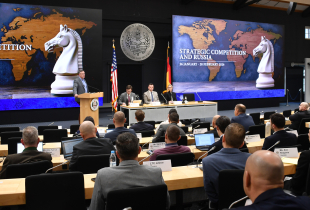
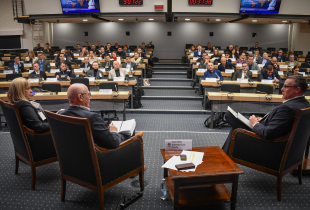
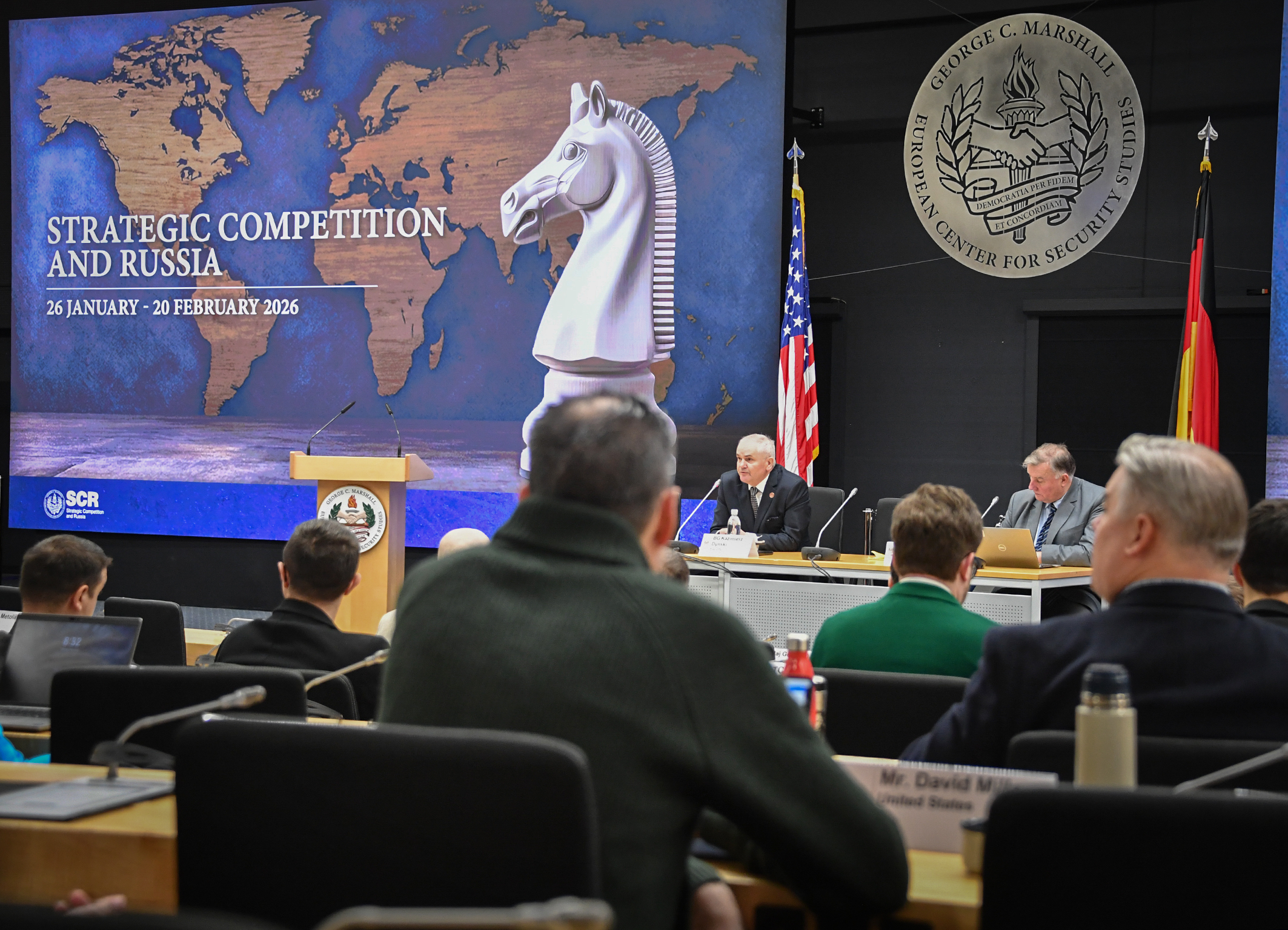
With a focus on defining strategic competition and examining how it plays out in practice, Week 2 of Strategic Competition and Russia challenged participants to consider how competition affects their own countries and the choices they face in designing national security strategies.
“The primary focus of week two is to understand what drives and motivates dominant powers in the international environment,” said Marc Ozawa, associate professor at the Marshall Center. “It’s also to understand what options and limitations small states, middle states, may have in their interactions in their own regions. It’s about how international politics works.”
Sessions supported a core objective of the course by helping participants identify the principles of strategic competition and apply them to policy development in support of European-led defense.
“We want to ensure that participants leave the course with a clear understanding of the skills that they've developed,” Ozawa said. “We want everyone to go back to their home countries, to their home agencies, with new tools that they can apply.”
Those discussions set the conditions for the course’s forward-looking group exercise, which challenges participants to assess plausible trajectories of strategic competition through 2035 and consider how today’s choices shape tomorrow’s security environment.
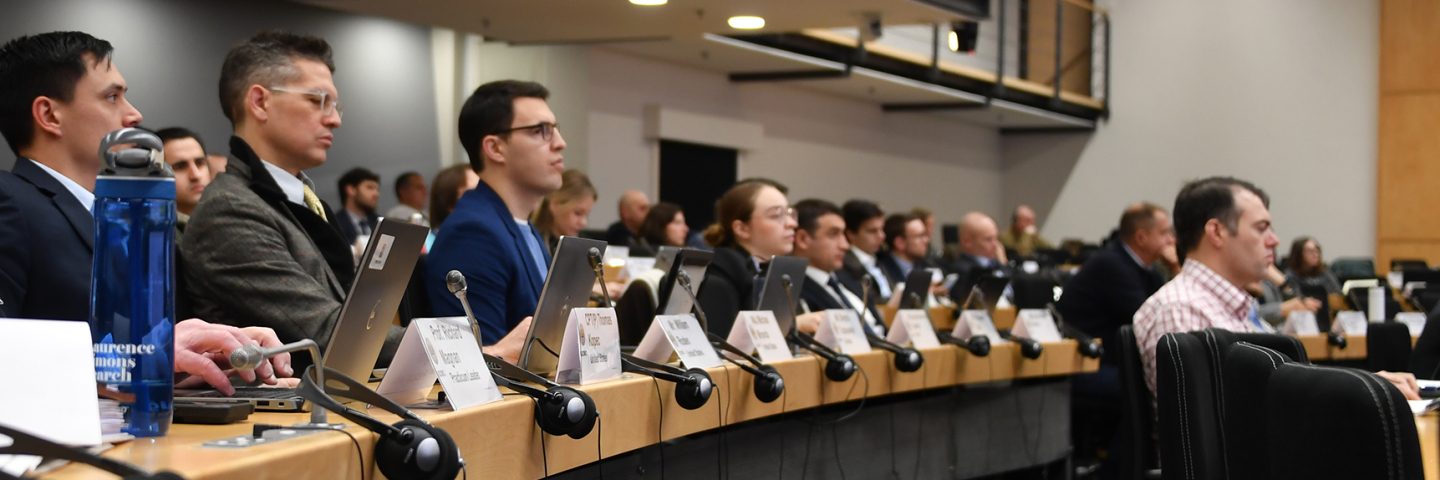
Equally important was the evolution of the practicum groups themselves. By the second week, participants had reached a point where trust and familiarity enabled more candid exchanges and deeper engagement with one another.
“The dynamic within the practicum groups is starting to develop,” Ozawa said. “They’re at the point now where they’re able to have more frank exchanges with each other. There’s that level of trust that it takes to build up at the start of the course.”
That trust, Ozawa noted, amplifies learning by exposing participants to perspectives shaped by different national experiences and institutional roles.
“The main thing that I want every participant to take home with them after the course is not only what they learn from the plenary discussions and materials, but the different perspectives that they will gain about the problems, the challenges, the issues that they face from the other participants coming from different countries.”